
 ChatGPT
Writes you a job description.


a RunLobster company
Each agent runs on its own cloud computer, completely separate from yours. It has a browser, apps, terminal, and file system: everything it needs to ship real work on your behalf — 24/7.

Reads, categorizes, and drafts replies to your email on schedule
Calendar summary, priority emails, and task updates delivered each morning
Vendor follow-ups, meeting confirmations, and document requests on autopilot

Analyzes top-ranking pages and competitor content strategies
Scheduled editorial calendar — a new post every week
Tracks positions and rewrites underperforming content

Opens prospect websites in a real browser for genuine personalization
Multi-day follow-ups on a schedule that adapt to engagement
Pipeline stages, notes, and meeting briefs — all handled

Deploys and maintains apps at a public URL — pushes updates and monitors uptime
Any package, any language, full terminal access — a persistent dev machine
Cron health checks and Slack alerts while you sleep

Runs end-to-end regression suites against production automatically
Catches regressions before users do with visual evidence
Maintains and evolves test scripts — learns from false positives

Text, images, and video scripts across all platforms on a calendar
Tracks metrics, alerts on viral content or negative sentiment
Maintains brand voice with personality — consistent across platforms
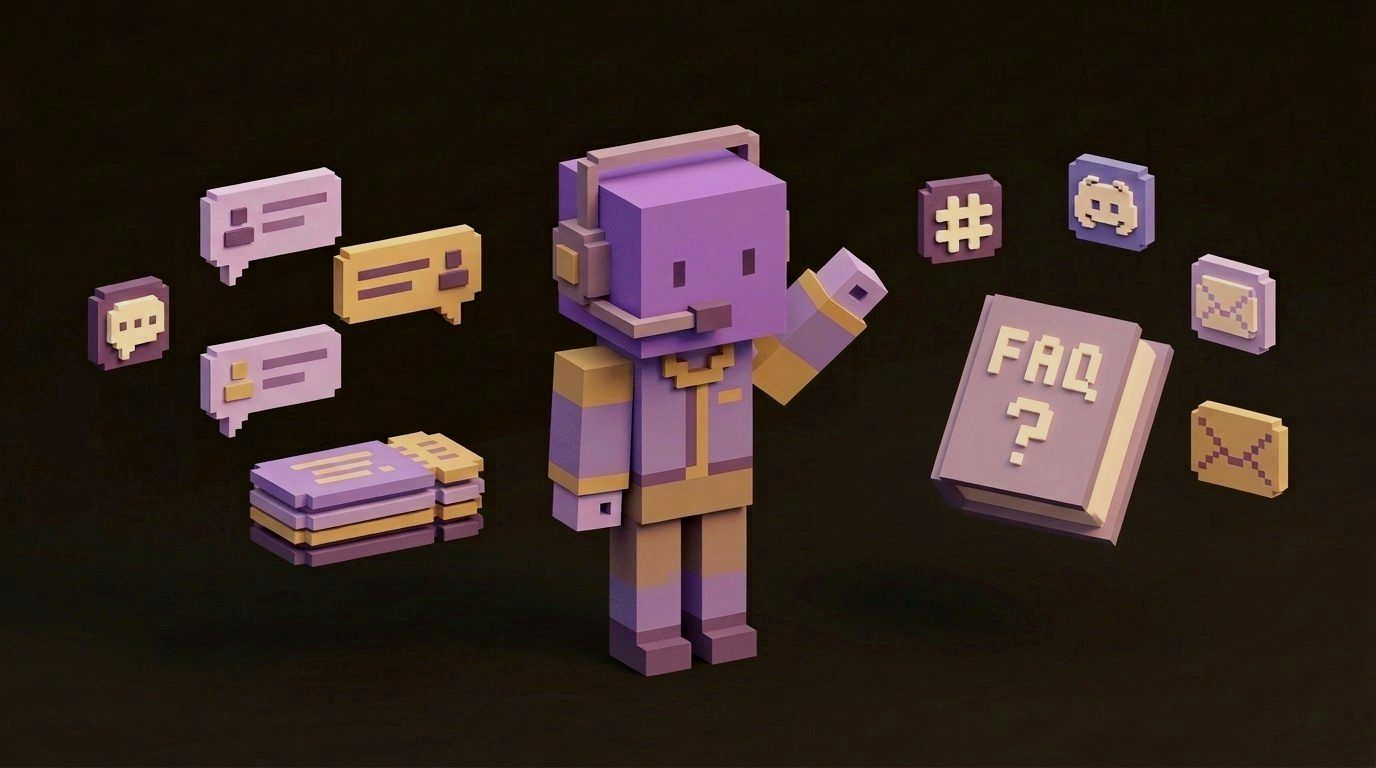
Handles tickets on Slack, Discord, email, web chat, and Telegram simultaneously
Tracks patterns, identifies common issues, and writes documentation
Complex issues go to humans via Slack or email with ticket history attached

Updates listings and pricing across platforms via browser
Persistent tracking with alerts and auto-adjustments
Stock monitoring, restock alerts, and order processing
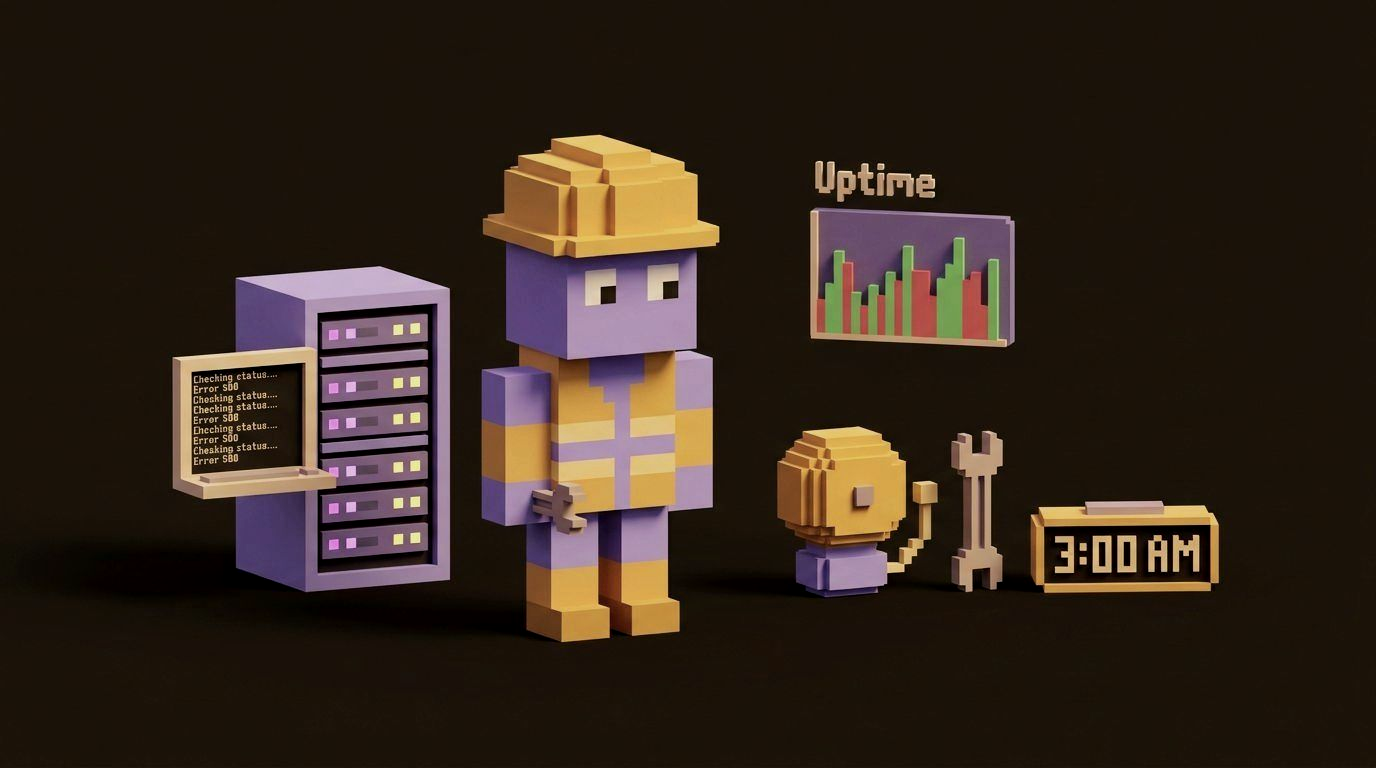
Pings endpoints, checks SSL, monitors disk and CPU around the clock
Reads logs, diagnoses root cause, applies known fixes automatically
Maintains runbooks and journals what worked — gets faster over time

Real data science stack, not sandboxed snippets
Interactive charts your team and investors can bookmark
Weekly PDFs, daily metrics, monthly board decks

Browser access to financial tools beyond API limitations
Matches transactions, categorizes expenses, flags anomalies
Real documents saved and sent via email on schedule

Checks Google Ads, Meta Ads — pauses underperformers, adjusts budgets
Drip campaigns, newsletters, re-engagement flows — hands-free
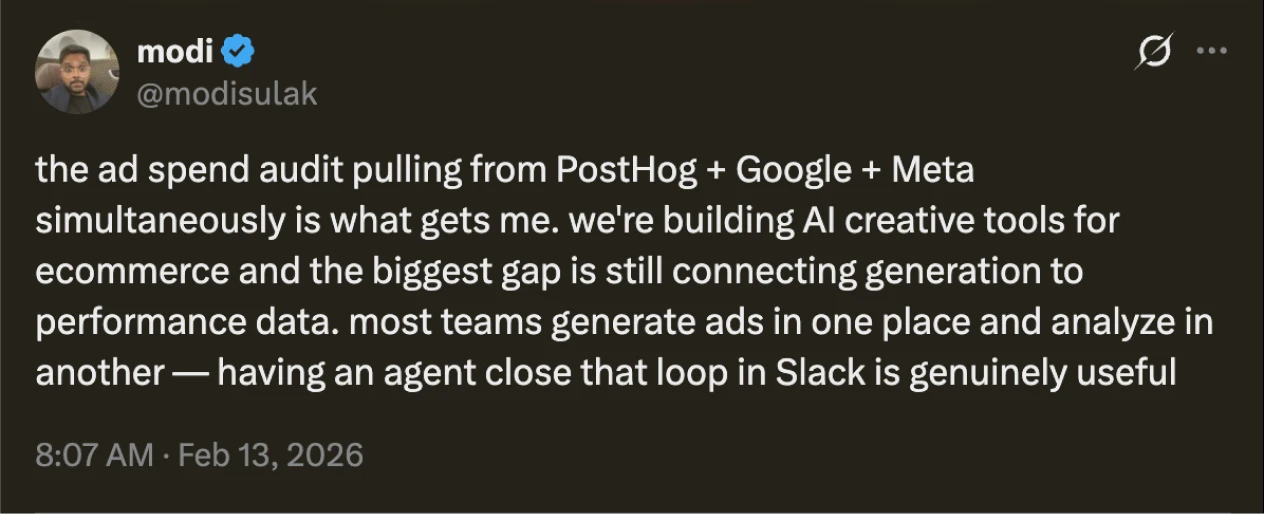
Pulls from GA4, PostHog, ad platforms into one performance summary

Monitors Jira, Linear, Asana — identifies blockers and overdue items
Auto-generated summaries delivered to Slack and email on schedule
Proactive messages to team members with approaching deadlines
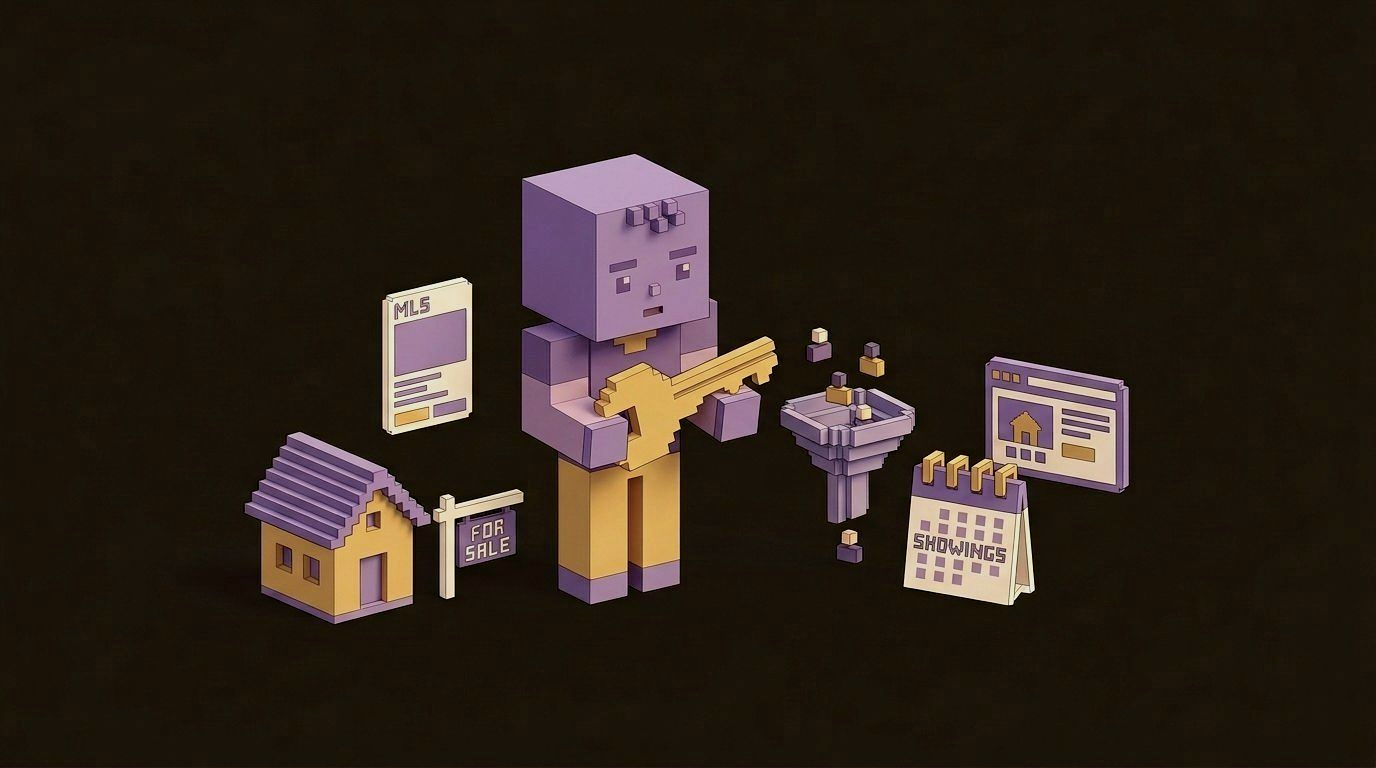
Alerts instantly when new listings match buyer criteria
Tracks prospects, follow-up dates, showing notes in a persistent database
Live listing pages with photos, descriptions, and contact forms at a URL
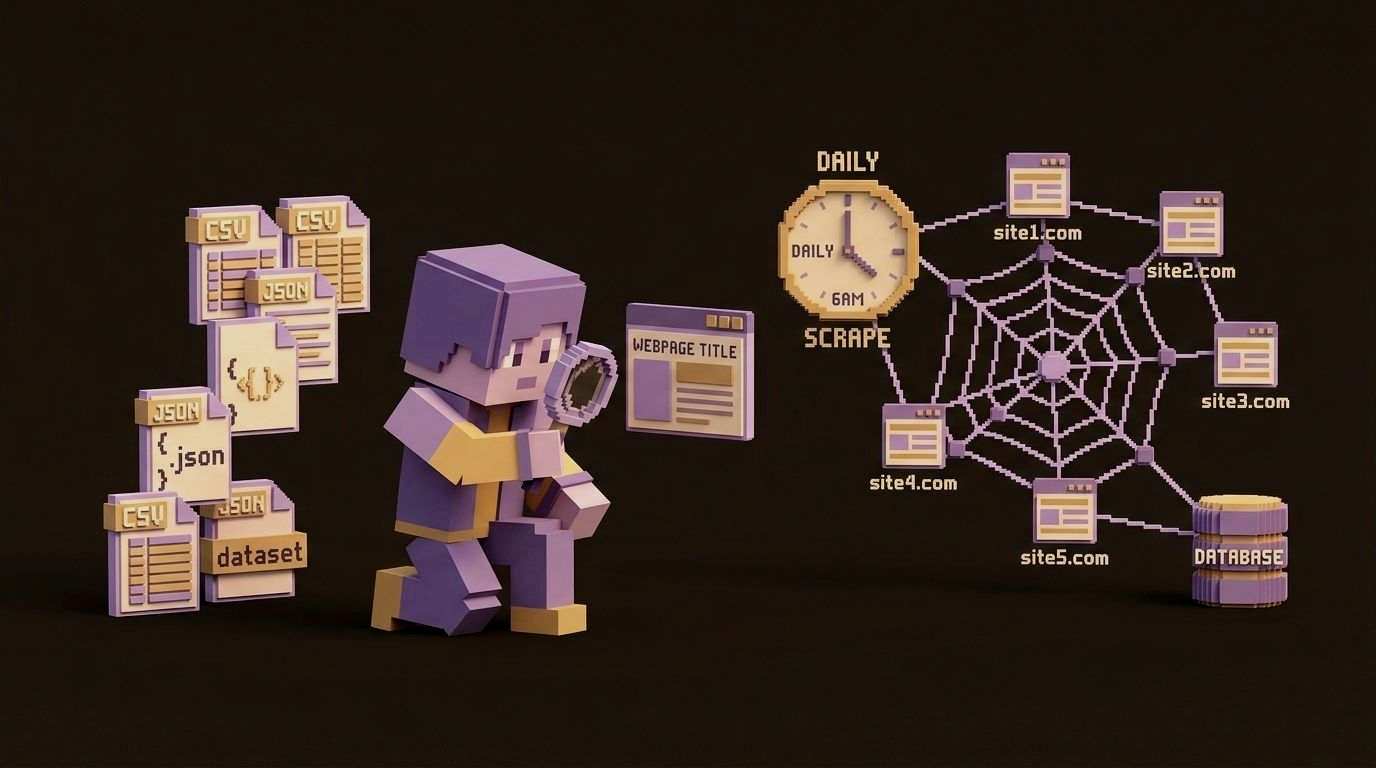
Collects data from any website on schedule — handles pagination, logins, JavaScript
Stores CSV, JSON, SQLite files on disk — builds datasets over weeks
Processed data sent via email, Slack, or hosted on a live dashboard

Logs into legacy tools and does the work for you
Pull data here, fill a form there, update a third system
Reconciliation, filings, onboarding — hands-free

Browser checks for pricing, feature, and content changes
Multi-channel notifications the moment something changes
Snapshots saved to filesystem for trend analysis

Browses actual profiles and portfolios in a real browser
Persistent candidate database that grows with every search
Personalized messages, scoring, and calendar coordination
PDFs, spreadsheets, slide decks, videos, full-stack web apps — if a person can work on it with a laptop, Lobster can too.

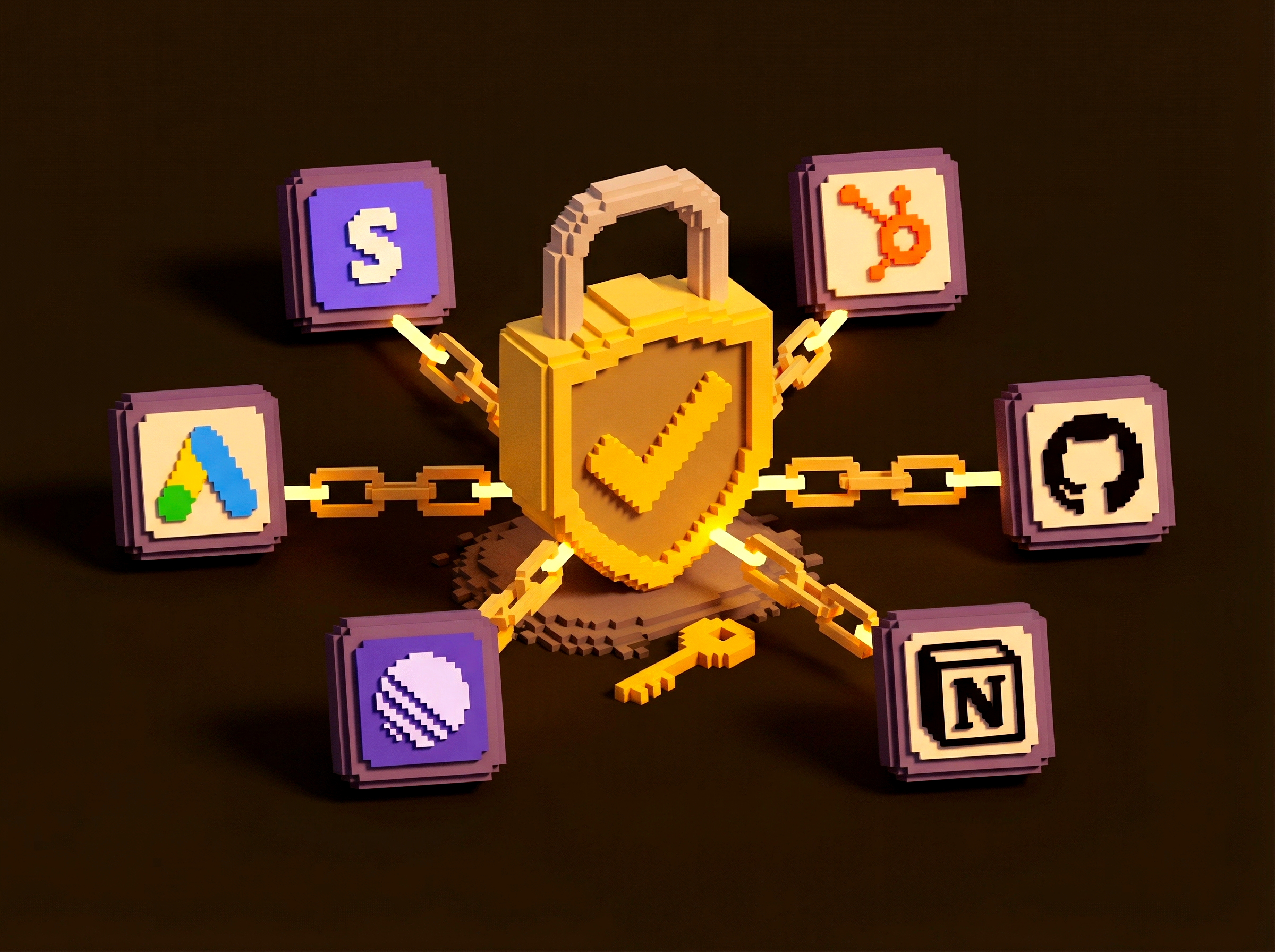
One-click connect to Stripe, HubSpot, Google Ads, Notion, and thousands more. You control exactly what Lobster can read, write, and access.
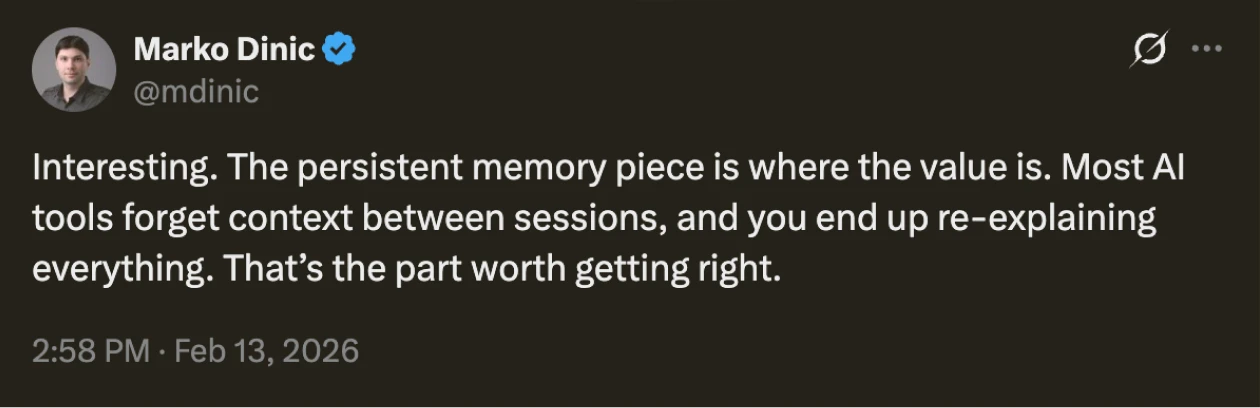
Every conversation makes Lobster smarter about your business. It remembers what worked, what didn’t, and how you like things done.
Never repeat yourself

Built on OpenClaw — fully open source. Unlike Devin or ChatGPT Agents, you can clone the repo, self-host anywhere, and take your data with you.
No vendor lock-in

Every other AI waits to be asked. Lobster runs on its own cadence — morning briefings, overnight checks, 3am auto-repairs — and only reaches out when something needs you.
Always running

Every customer gets their own isolated container — its own file system, memory, and deployed apps. A hard technical boundary, not a privacy policy.
Your data, only yours

Slack, Discord, iMessage, email, or web chat. Message your agent wherever you already work — it responds in real time, every channel, one brain.
DM your agent like a teammate. It reads, replies, and takes action — right inside the apps you already use.

Lobster doesn’t wait to be asked. It messages you when something needs attention, when it finishes a task, or when it’s stuck and needs a decision.

Add Lobster to a Slack or Discord channel and everyone can talk to it. One agent, shared context, zero per-seat fees.
iMessage groups coming soon

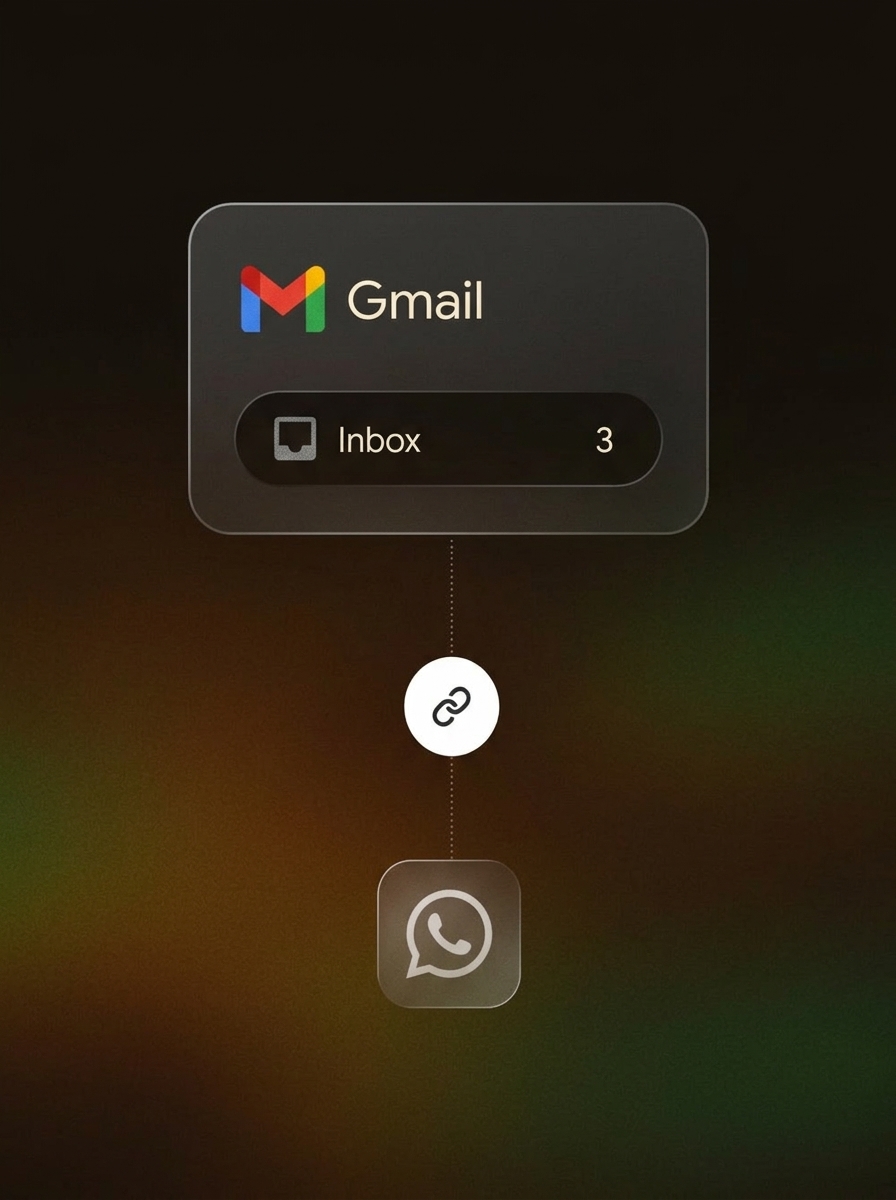
“Scan my inbox overnight. Flag anything urgent, draft replies to the easy ones, and send me a Slack summary at 7am with what you handled and what still needs me.”
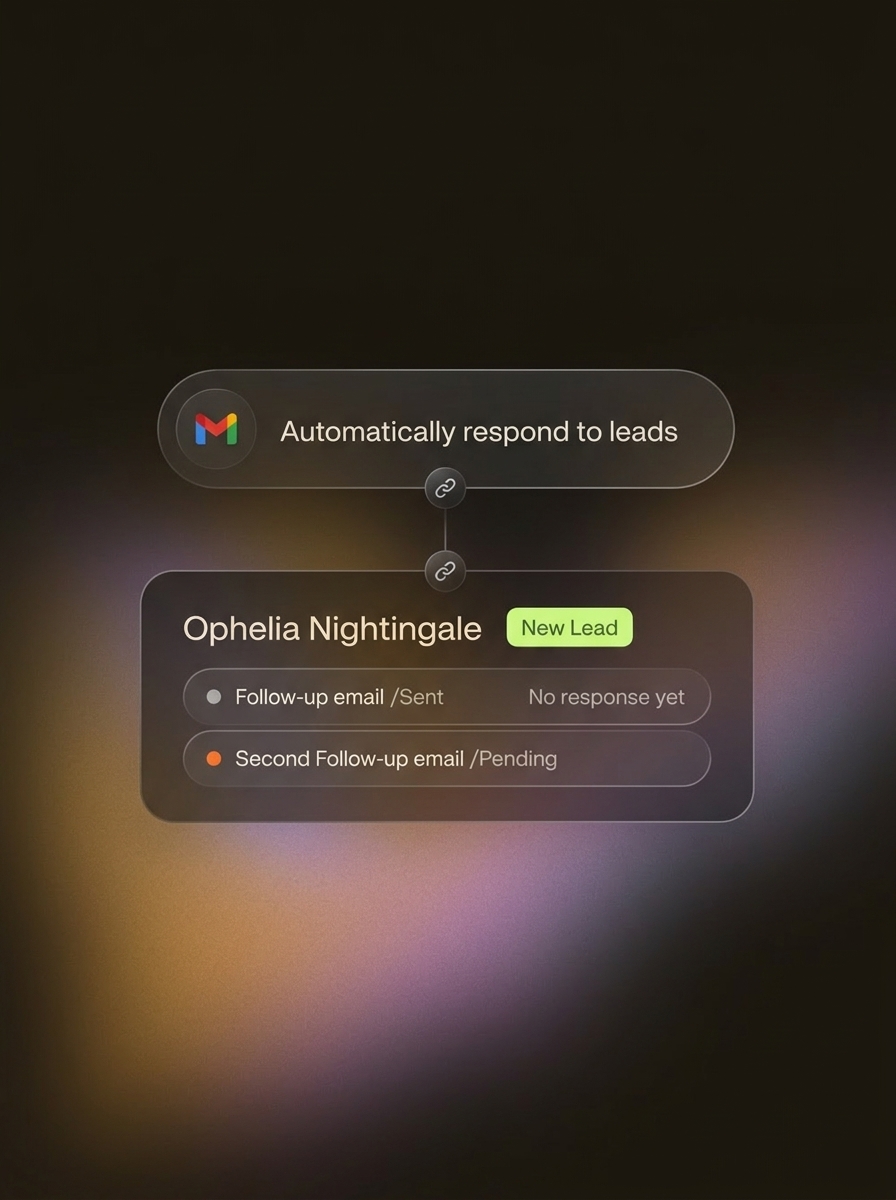
“When a new lead comes in, send a personalized follow-up within 10 minutes. No response in 3 days? Follow up again with a different angle.”
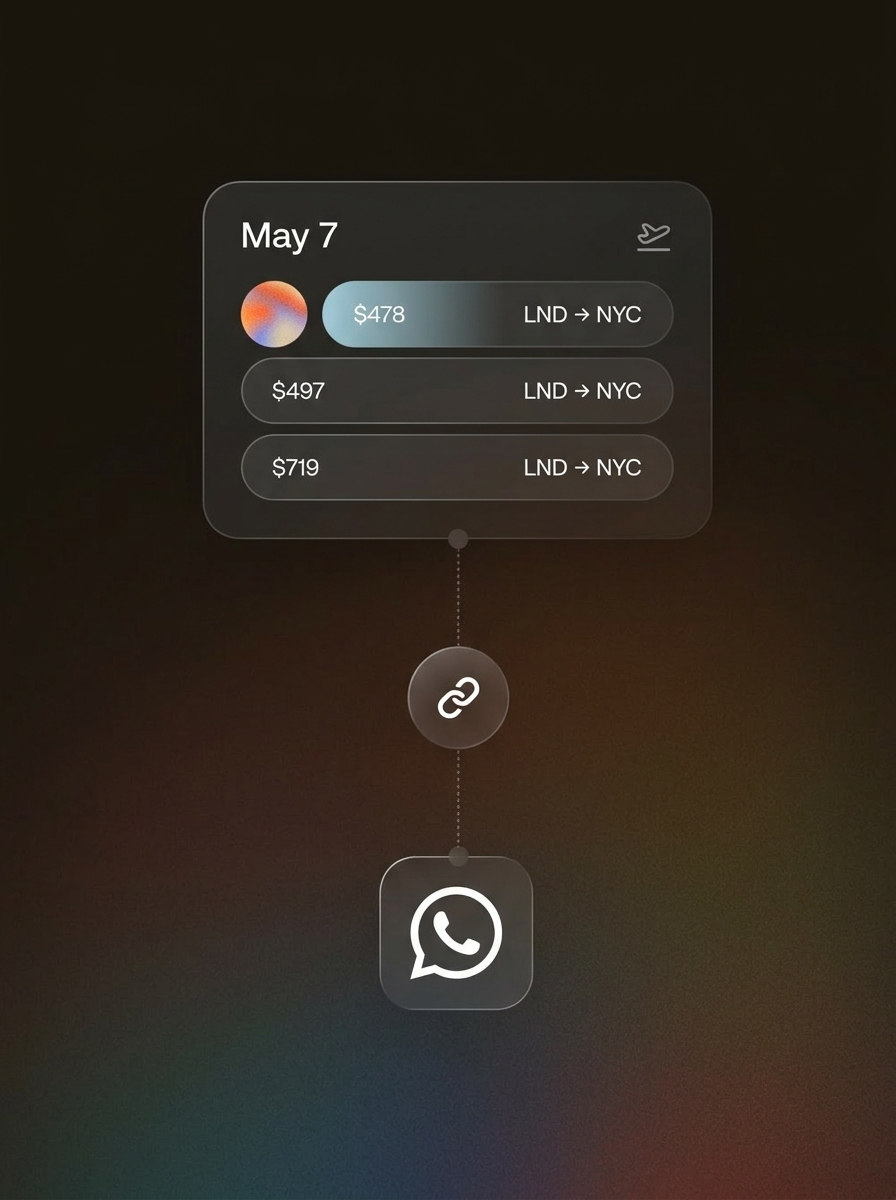
“For our planned team offsite in NYC in May, alert me when flight prices drop, and keep an eye out for venues happening May 7–18. Send updates to Slack.”
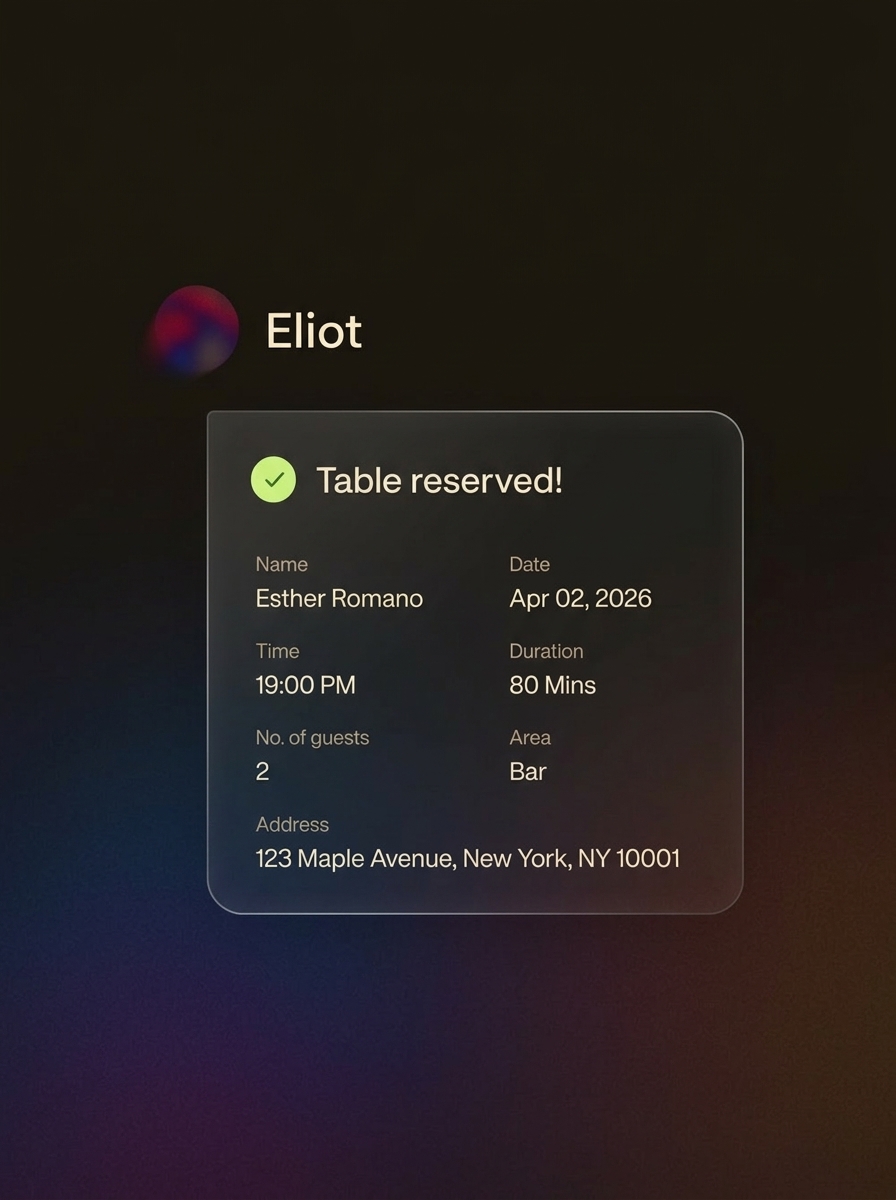
“I have dinner with a client on Friday but no reservation. Find well-reviewed restaurants and book a table for 2 at 8pm, then update my calendar.”
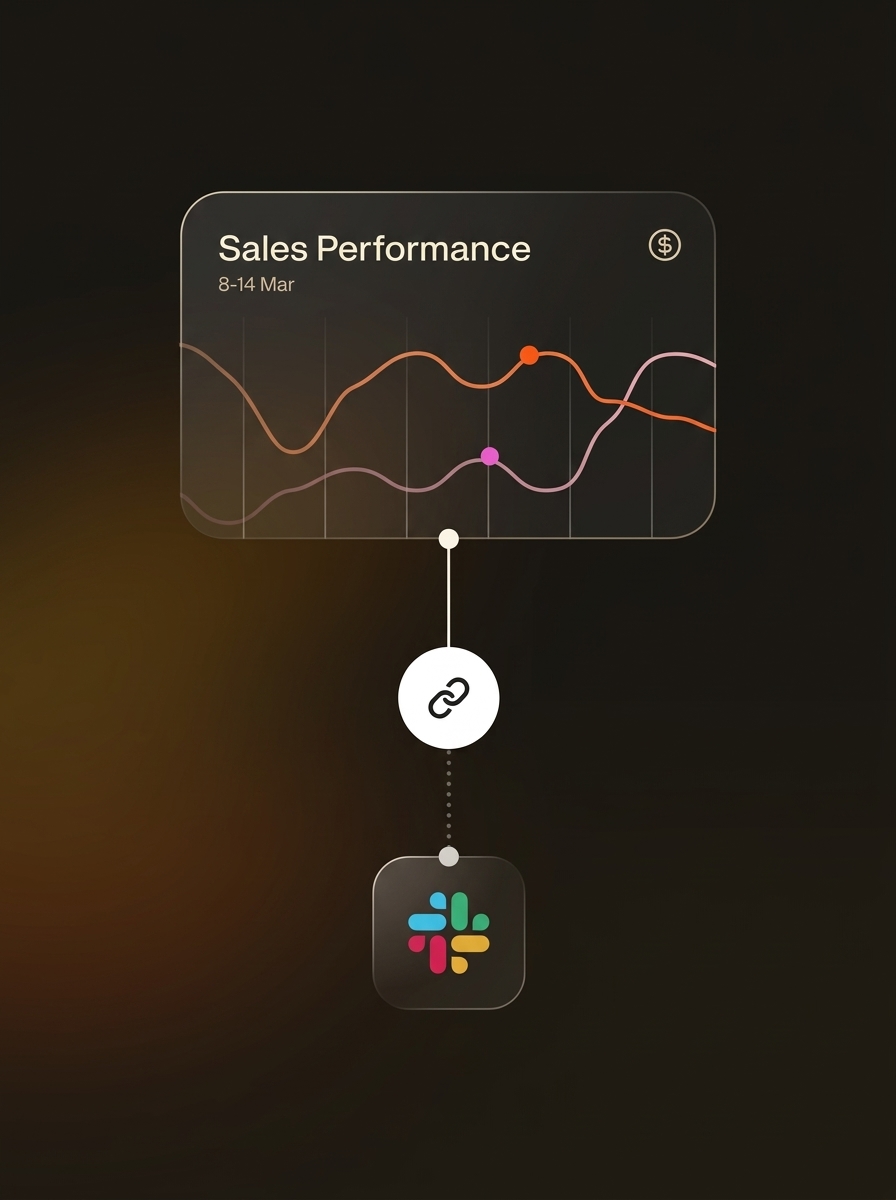
“Every Friday at 5pm, pull this week's sales numbers, support tickets, and marketing metrics. Summarize trends, flag anything off, and send the report to Slack.”
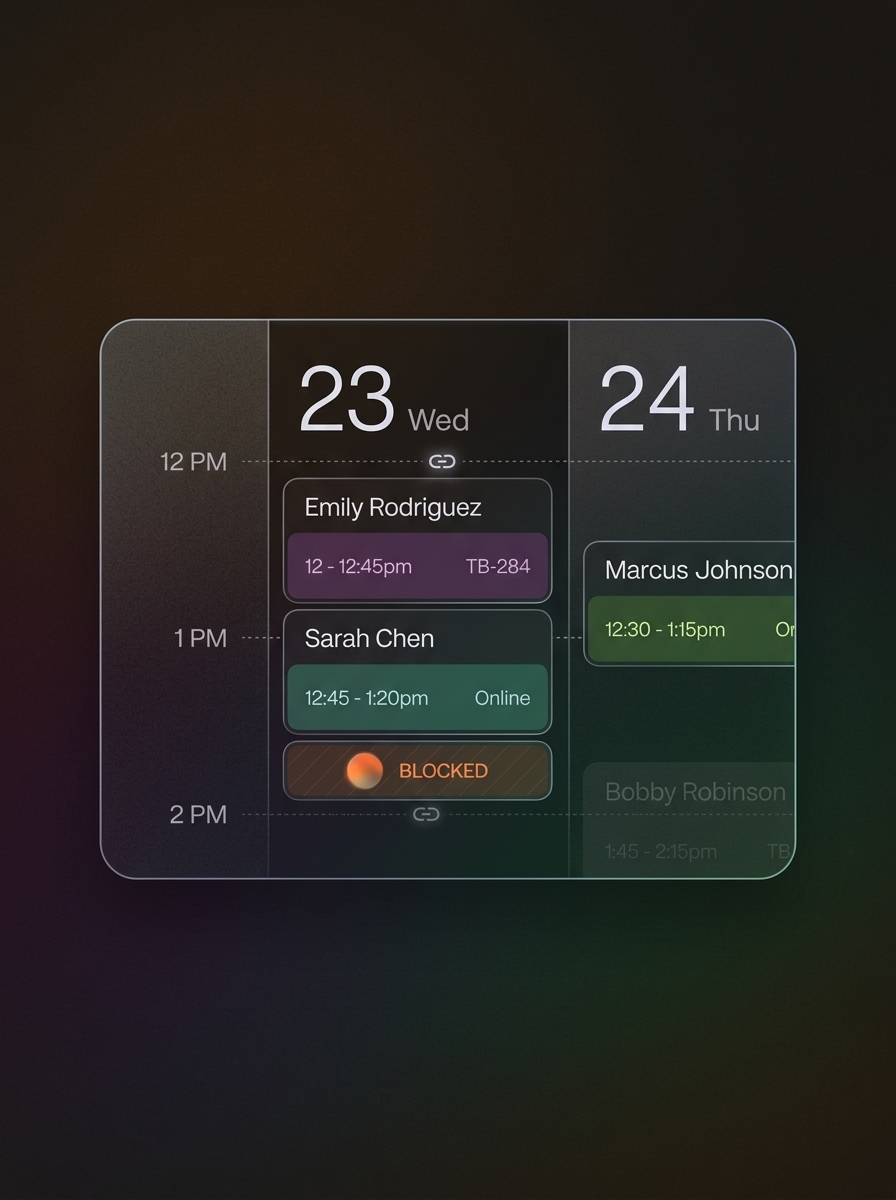
“Every morning, check my calendar. If I have back-to-back meetings with no break, move something or block 30 minutes for lunch. Send me the updated plan.”
“Scan my inbox overnight. Flag anything urgent, draft replies to the easy ones, and send me a Slack summary at 7am with what you handled and what still needs me.”
“When a new lead comes in, send a personalized follow-up within 10 minutes. No response in 3 days? Follow up again with a different angle.”
“For our planned team offsite in NYC in May, alert me when flight prices drop, and keep an eye out for venues happening May 7–18. Send updates to Slack.”
“I have dinner with a client on Friday but no reservation. Find well-reviewed restaurants and book a table for 2 at 8pm, then update my calendar.”
“Every Friday at 5pm, pull this week's sales numbers, support tickets, and marketing metrics. Summarize trends, flag anything off, and send the report to Slack.”
“Every morning, check my calendar. If I have back-to-back meetings with no break, move something or block 30 minutes for lunch. Send me the updated plan.”
Hiring
ChatGPTWrites you a job description.

 Lobster
Posts it, screens applicants, books the interviews.
Meeting Follow-ups
 Copilot
Summarizes your meetings.
LobsterCreates the tasks, sends the follow-ups, updates the CRM.
Workflow Automation
 Zapier
Follows rules you write.
LobsterFigures out what needs automating and does it.
Building Tools
 Claude Code
Writes the code. You figure out the rest.
LobsterBuilds it, ships it, sends you the link.
HOW IT WORKS
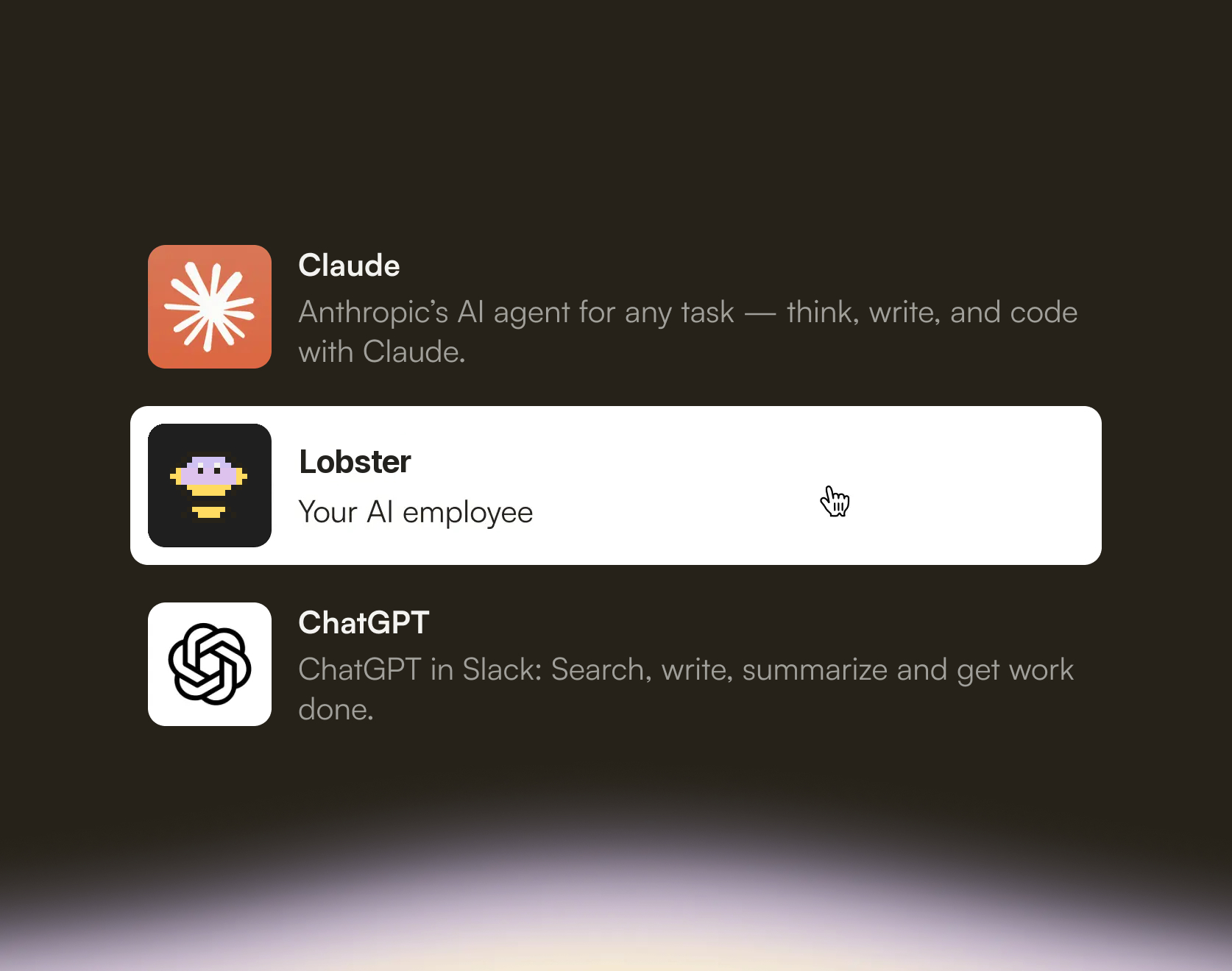
/01
Add Lobster to Slack, Discord, or iMessage. Connect your tools in one click — Stripe, Notion, Google Ads, and 3,000 more. You’re up in minutes.
/02
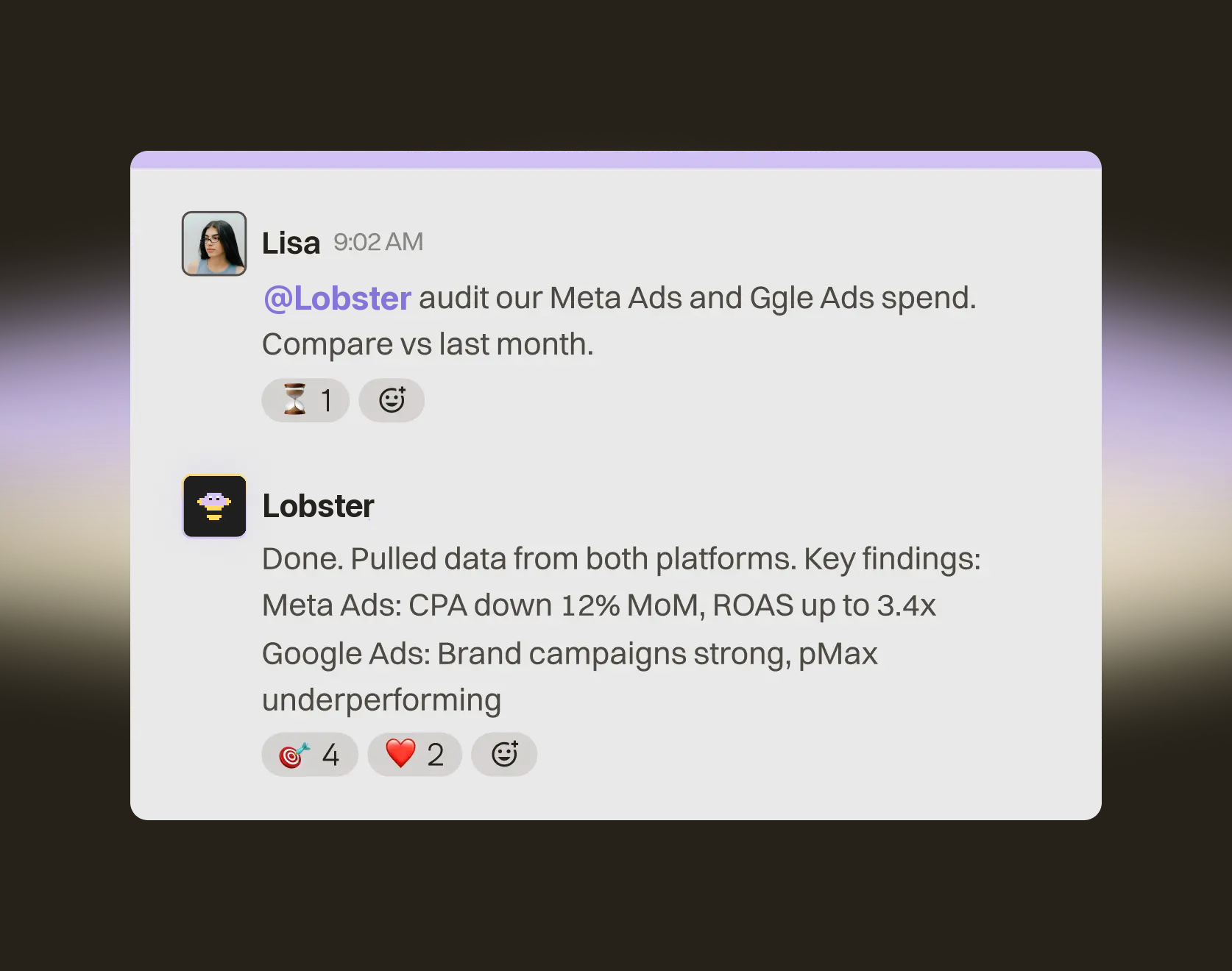
Talk to Lobster like a colleague. "Pull our Meta Ads data and compare vs. last month." "Create a Linear issue for the pricing update." "Build me a revenue dashboard."
/03
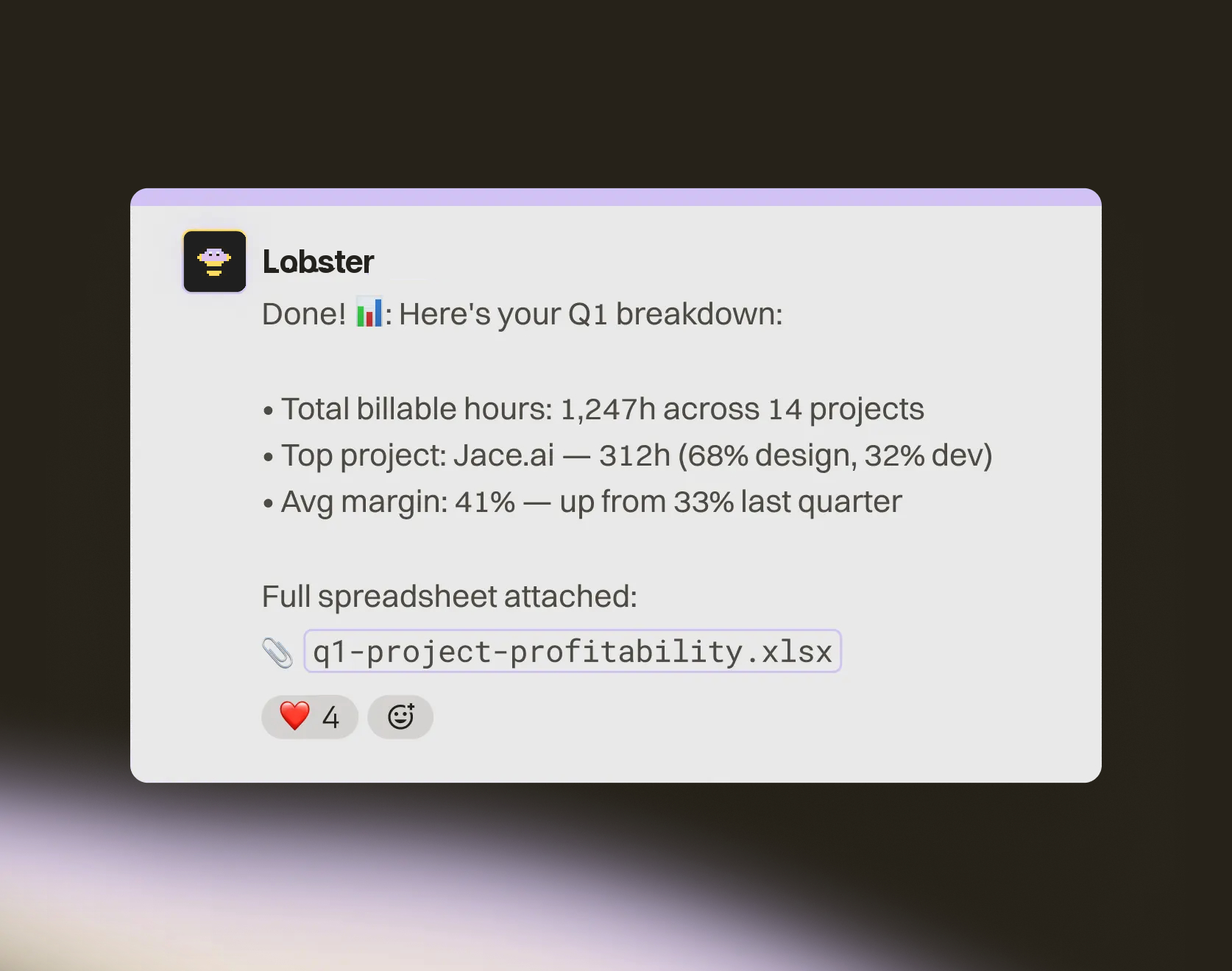
Lobster queries your tools, analyzes data, and delivers real outputs: PDFs, spreadsheets, web apps, code. It also schedules recurring tasks and proposes automations you didn't think to ask for.





Yes. Lobster is free to use. Sign up, connect your tools, and start working with your AI employee. No credit card required.
Lobster is free. Launch your AI employee in 2 minutes.
Every feature. Every integration. Every role. No credit card. No catch.